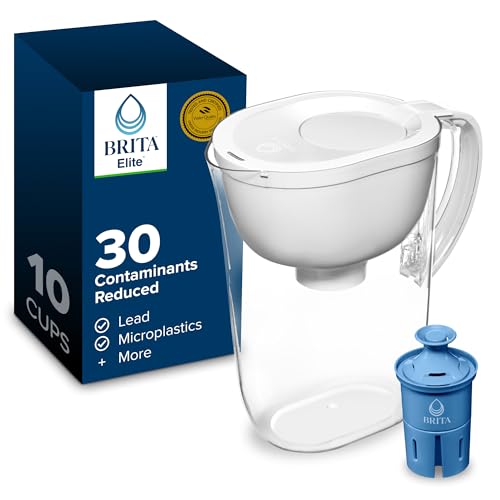
Filtration costs show a largely consistent nationwide pattern for products, with modest regional variation for installation labor.
- Filtration product costs are largely consistent nationwide.
- Whole-home system installation labor shows modest regional variation.
- Professional testing costs are also largely consistent nationwide given the mail-in service model.
- Regional cost-of-living patterns affect installation labor more than product or testing pricing.
Product Costs
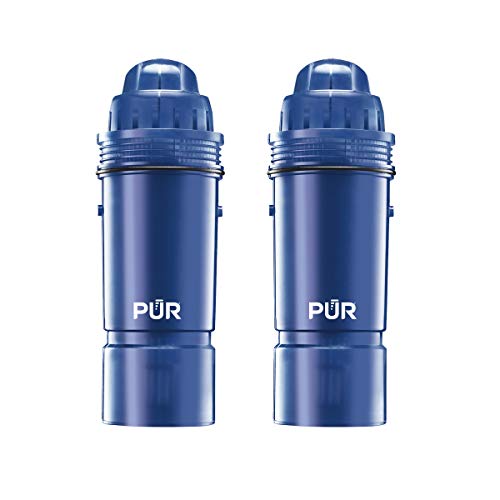
Filtration product costs (pitchers, faucet-mount, under-sink units) are largely consistent nationwide, given the national retail and online distribution model for these consumer products.
EPA’s published price bands are national rather than regional, which is consistent with a national retail market: basic water pitchers and tap filters typically cost less than $100 and require no installation, distillation and reverse osmosis systems tend to cost a few hundred dollars and may require professional installation, and point-of-entry systems can cost thousands and generally require it[1].
Because those bands are set by technology rather than by location, the format you choose moves your cost far more than where you live does.
Two ongoing costs do track local utility rates, and EPA documents both mechanisms. Reverse osmosis systems generate waste water for every gallon they treat: EPA estimates that a typical point-of-use RO system generates at least five gallons of waste for every gallon of treated water produced, that some inefficient models consume up to 10 gallons, and that WaterSense labeled models generate 2.3 gallons or less[1]. Distillation, separately, is an energy-intensive process that can increase your energy bill[1].
Where water or electricity is expensive, those two technologies therefore carry a higher running cost than the identical unit would elsewhere. That is the clearest sense in which filtration cost is genuinely regional — not the purchase price, but what the system consumes once it is installed.
Professional Installation Labor Costs
Whole-home system installation shows modest regional labor cost variation, generally following broader regional cost-of-living and plumbing labor market patterns.
Installation is where local conditions actually enter. EPA notes that point-of-entry systems generally cost several thousand dollars to install and may require plumbing alterations and professional maintenance services[1] — all labor-dependent items, unlike the unit itself.
Local rules can vary as well as local labor rates. EPA notes that cation exchange water softeners discharge salts as part of treatment, that some local jurisdictions restrict the installation and use of these systems, and that local requirements should be checked before purchasing one[1]. That specific restriction applies to softeners rather than to filters, but it is a reminder to confirm local requirements before committing to any plumbed-in system.

Testing Costs
Professional lab testing costs are also largely consistent nationwide, given the mail-in lab service model most testing uses.
EPA advises using a state-certified laboratory and maintains a public list of certified drinking-water laboratories[1], and mail-in analysis means the laboratory you use need not be a local one.
Comparability matters more than price here. WHO’s 2019 review identified developing standard methods for measuring microplastic particles in water as an open research need[2], so two results from different laboratories are not directly comparable regardless of what either one cost.


FAQ
Will I pay more for filtration in an expensive city?
Product and testing costs are largely consistent nationwide — only installation labor for whole-home systems shows modest regional variation.
Confirm specific local installation pricing with your chosen contractor rather than relying on general regional assumptions.
References
- U.S. Environmental Protection Agency, WaterSense. Guide to Selecting Water Treatment Systems (November 2024). epa.gov
- World Health Organization. WHO calls for more research into microplastics and a crackdown on plastic pollution (22 August 2019). who.int
These statements have not been evaluated by the Food and Drug Administration. This information is not intended to diagnose, treat, cure, or prevent any disease. Content is for informational purposes only and is not medical advice; consult a qualified healthcare provider before starting any supplement. As an Amazon Associate we earn from qualifying purchases.