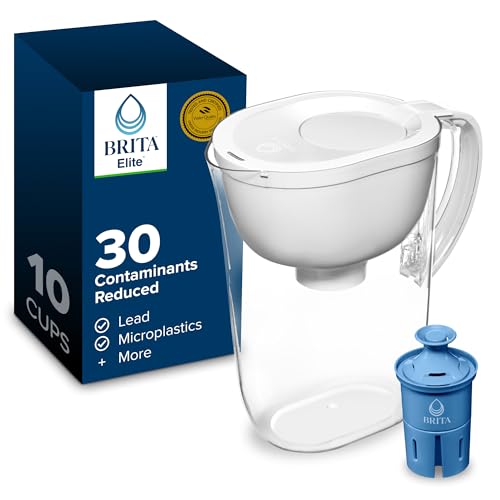
Home size affects filtration system sizing needs and correspondingly, overall prevention costs.
- Small homes/apartments: $20-$80 for a single point-of-use filter.
- Larger homes with whole-home systems: $300-$1,000+ depending on system type and sizing.
- Multi-tap point-of-use setups scale cost with the number of filtered locations chosen.
- Budget based on your specific home size and chosen filtration scope.
Small Homes and Apartments
A small apartment may need just a single point-of-use filter, keeping total cost in the $20-$80 range.
EPA divides household treatment into two categories that map closely onto home size. Point-of-use treatment handles water at the tap or where it is used and is best suited to homes that want to treat water for drinking and cooking; point-of-entry treatment handles water where it enters the building[1].
For a small home or apartment, EPA’s own advice pushes toward the smaller option on principle rather than only on price: many water-consuming activities such as flushing toilets and washing clothes do not require additional treatment, so it recommends treating only water used for cooking and drinking[1].
Larger Homes With Whole-Home Systems
A larger home considering whole-home filtration needs system capacity sized to household water usage volume, generally bringing total cost to $300-$1,000+ depending on system type and home size.
EPA describes point-of-entry systems as best suited to situations where the water source poses consistent and significant contamination challenges, and notes that installation generally costs several thousand dollars and may require plumbing alterations and professional maintenance services[1]. Home size alone is therefore not the trigger — the state of the water supply is.
Sizing up is not automatically the safer choice either. EPA explicitly advises against oversizing treatment systems, because larger systems tend to be more costly to purchase, operate and maintain[1]. Match capacity to the water you actually intend to treat rather than to the square footage of the house.

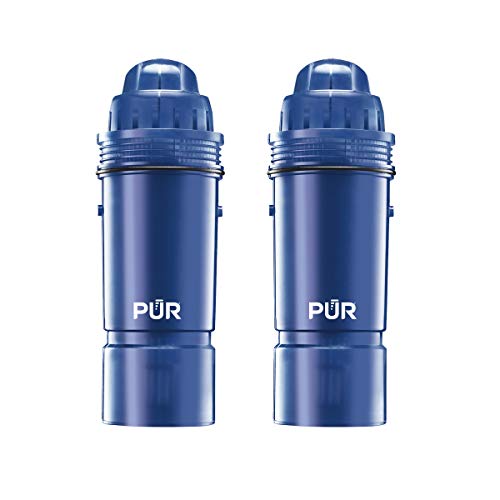
Multiple Bathroom/Kitchen Point-of-Use Setup
A larger home choosing point-of-use filtration at multiple taps rather than whole-home filtration scales cost with the number of filtered locations chosen.
The point-of-use category is wider than a pitcher. EPA lists water pitcher filters, faucet-mounted filters, refrigerator filters, faucet-integrated filters, countertop or stand-alone systems and under-sink systems, and notes that under-sink systems can treat larger quantities of water[1].
That range is what makes per-tap scaling workable in a larger home: cost follows the number of locations you choose to filter and the format at each one, so the decision is which taps genuinely supply drinking and cooking water rather than how many taps exist.


FAQ
Does a bigger house need a bigger filter system?
Yes — whole-home system capacity should be sized to your household’s water usage volume, which generally scales with home size and occupant count.
Confirm system sizing with your installer based on your specific home’s water usage rather than a general size assumption.
References
- U.S. Environmental Protection Agency, WaterSense. Guide to Selecting Water Treatment Systems (November 2024). epa.gov
These statements have not been evaluated by the Food and Drug Administration. This information is not intended to diagnose, treat, cure, or prevent any disease. Content is for informational purposes only and is not medical advice; consult a qualified healthcare provider before starting any supplement. As an Amazon Associate we earn from qualifying purchases.