Microplastics Glossary: Key Terms Explained

Understanding key terminology helps you navigate microplastics research and testing information more confidently.

Found this useful? Send it to someone who needs it.
Key Takeaways
  • Microplastics range from 1 micrometer to 5 millimeters; nanoplastics are smaller still.
  • Common polymer types (PE, PP, PET) have different typical sources and shedding characteristics.
  • FTIR analysis and Raman spectroscopy are common laboratory detection methods.
  • Understanding this terminology helps you interpret testing results and research more confidently.

Particle Size Categories

“Microplastics” generally refers to plastic particles between 1 micrometer and 5 millimeters; “nanoplastics” refers to even smaller particles below 1 micrometer, requiring more specialized detection methods.

Common Polymer Types

Common plastic polymer types found in household microplastic sources include polyethylene (PE), polypropylene (PP), and polyethylene terephthalate (PET), each with different common sources and shedding characteristics.

Editor’s Pick
ZeroWater 23-Cup Dispenser Ready-Pour 5-Stage Water Filter with 0 TDS Water Filter – IAPMO
Check Price on Amazon › As an Amazon Associate we earn from qualifying purchases.

Testing and Detection Terms

“FTIR analysis” and “Raman spectroscopy” are common laboratory methods used to identify and quantify microplastic particles in water or dust samples.

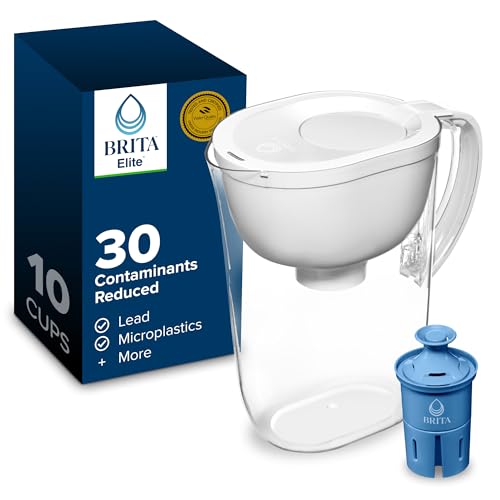
PUR Plus Vertical Faucet Mount Water Filtration System, Lead-Reducing Filter, Great-Tastin
Check Price on Amazon › As an Amazon Associate we earn from qualifying purchases.
Baseline Check
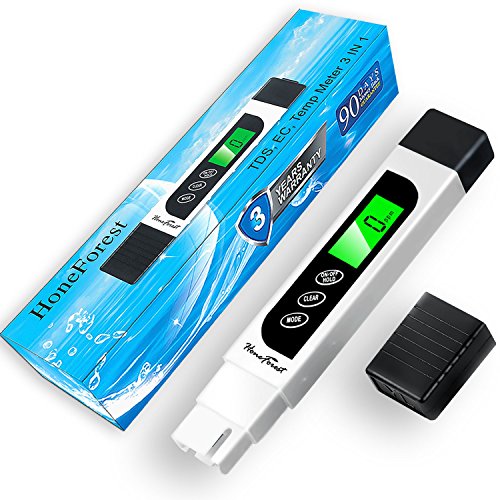
HoneForest TDS Meter, Digital Water Tester

Gives you a repeatable number to track before and after you install a filter. Important limit: a TDS meter measures dissolved solids, not microplastics. No handheld meter detects plastic particles. Use it to confirm a filter is still working, not to measure microplastic load.

Dissolved solids onlyDoes not detect plasticsPocket-sized
Check Price on Amazon › As an Amazon Associate we earn from qualifying purchases.
Replaces Bottled Water
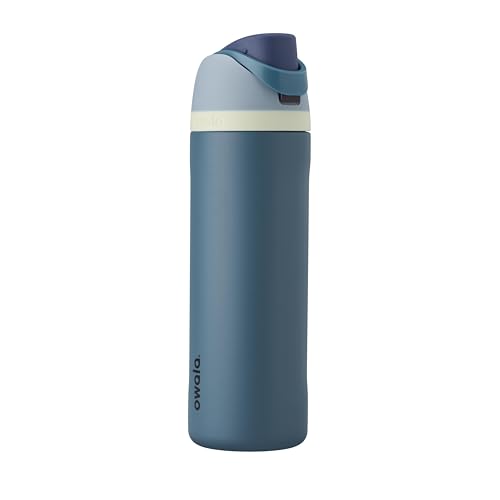
Owala FreeSip Stainless Steel Water Bottle, 24 oz

Single-use bottled water carries consistently higher measured particle counts than filtered tap water in published sampling. A refillable stainless bottle is the cheapest way to stop buying that exposure by the case.

Stainless body24 ozRefill from filtered tap
Check Price on Amazon › As an Amazon Associate we earn from qualifying purchases.

FAQ

What’s the difference between microplastics and nanoplastics?
Microplastics are generally 1 micrometer to 5 millimeters in size; nanoplastics are smaller than 1 micrometer, requiring more specialized detection methods to identify.

Important

Terminology and classification standards continue to evolve as this research area matures.

These statements have not been evaluated by the Food and Drug Administration. This information is not intended to diagnose, treat, cure, or prevent any disease. Content is for informational purposes only and is not medical advice; consult a qualified healthcare provider before starting any supplement. As an Amazon Associate we earn from qualifying purchases.
Found this useful? Send it to someone who needs it.
Scroll to Top
© 2026 Microplastics Action Plan — Health Disclaimer  |  Affiliate Disclosure  |  Privacy Policy  |  Terms  |  About
As an Amazon Associate we earn from qualifying purchases.