Understanding the difference between consumer filtration products and professional testing equipment clarifies what’s appropriate for home purchase.
- Consumer filtration products are the appropriate purchase category for home prevention.
- Professional laboratory testing equipment is specialized and not practical for home purchase.
- Purchase filtration products for prevention; hire a lab service for testing rather than buying equipment.
- This distinction helps you allocate your budget appropriately between prevention and verification.
Consumer Filtration Products
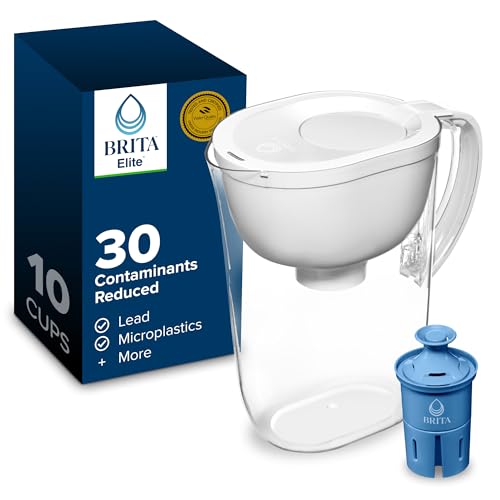
Consumer-grade filtration (pitchers, faucet-mount, under-sink, whole-home systems) is designed and marketed for home installation and use — this is the appropriate purchase category for prevention.
The distinction that matters when buying a consumer product is certification rather than price. EPA advises that certification of water treatment products helps ensure manufacturers’ claims are independently verified and accurate, and that a system should be certified to the applicable NSF/ANSI standards for the contaminants being targeted[1].
For filtration the relevant standards EPA names are NSF/ANSI 42 for aesthetic effects, NSF/ANSI 53 for health effects and NSF/ANSI 401 for emerging compounds and incidental contaminants, with NSF/ANSI 58 covering reverse osmosis systems; EPA notes that a system combining technologies may be certified to several of these at once[1].
Professional Laboratory Testing Equipment
Professional-grade analysis equipment (FTIR spectrometers, Raman microscopes) is specialized, expensive laboratory equipment used by testing labs, not appropriate or practical for home purchase.
EPA’s advice on the testing side points to a service rather than to equipment: have water tested by a state-certified laboratory, from the public list of certified drinking-water laboratories EPA maintains[1]. The instrumentation stays with the laboratory in that model, which is the ordinary arrangement for accredited analysis.
Microplastics carry an extra reason for that split. WHO’s 2019 review identified developing standard methods for measuring microplastic particles in water as an open research need[2], so the analysis depends on method choices a laboratory documents and a home user would have no way to hold constant.

Why This Distinction Matters
Purchase consumer filtration for prevention; hire a professional lab (rather than purchasing equipment) for testing needs.
It also gives you something concrete to check before buying. EPA advises looking for certification logos or language on product packaging, supporting documentation or other point-of-purchase materials, and reviewing the system’s performance data sheet to confirm it is certified for the contaminants you care about — or checking the certifying organization’s own website[1].
That is a verification step available to any buyer, and it is the part of “professional grade” that actually transfers to a consumer purchase. Independent certification of a filter is checkable; a marketing claim about grade is not.


FAQ
Should I buy a home spectrometer to test my own water?
No — this specialized, expensive equipment isn’t practical for home purchase. Hire a professional lab testing service instead for verification needs.
Don’t purchase specialized laboratory testing equipment for personal use — use a professional lab service instead.
References
- U.S. Environmental Protection Agency, WaterSense. Guide to Selecting Water Treatment Systems (November 2024). epa.gov
- World Health Organization. WHO calls for more research into microplastics and a crackdown on plastic pollution (22 August 2019). who.int
These statements have not been evaluated by the Food and Drug Administration. This information is not intended to diagnose, treat, cure, or prevent any disease. Content is for informational purposes only and is not medical advice; consult a qualified healthcare provider before starting any supplement. As an Amazon Associate we earn from qualifying purchases.