Microplastics have been detected in tap water, bottled water, household dust, and even the air we breathe, making them a persistent presence in most homes. While the science is still evolving, research indicates that chronic exposure may be linked to inflammatory responses and metabolic disruption in laboratory models [1].
Because the evidence base is moderate and much of it comes from animal or cell studies, homeowners should focus on realistic, long‑term habits that reduce the amount of plastic entering their living environment rather than seeking a single “cure.” This guide outlines practical, cost‑aware strategies you can adopt today and maintain over years.
- Map and replace the highest‑shedding plastic items in each room.
- Install a filter whose NSF/ANSI 401 listing names Microplastics Reduction for your exact model and cartridge.
- Use laundry bags or balls to capture synthetic fibers during washing.
- Clean with wet‑dusting and HEPA vacuuming to reduce indoor dust loads.
- Test water periodically; seek a licensed professional if results stay high or plumbing issues arise.
Identify the Main Sources Inside Your Home
The biggest contributors are often plastic plumbing components, single‑use bottles, synthetic textiles, and personal‑care products that contain microbeads. A 2026 review of occurrence and mitigation strategies notes that municipal water treatment removes only a fraction of particles smaller than 10 µm, so household‑level barriers are essential [2].
Start by walking through each room and noting items that shed or leach plastic: flexible PVC pipes, polycarbonate water pitchers, polyester‑blend curtains, and exfoliating scrubs. Replacing or covering these sources is the first, low‑cost step toward long‑term reduction.

Choose a Water Filtration System That Targets Small Particles
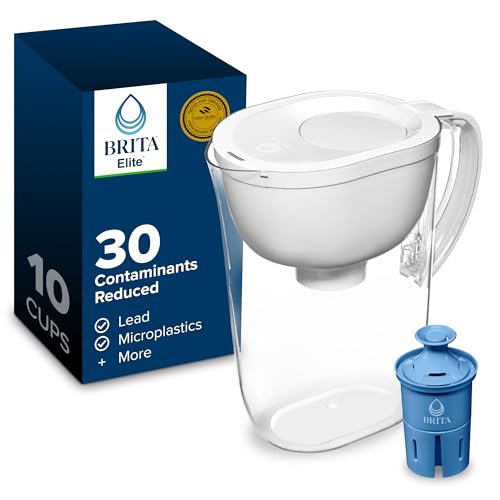
Not all filters capture microplastics. There is exactly one certification claim for this, and it is narrower than the shelf talk suggests. NSF/ANSI 401 is the emerging‑contaminants standard, and Microplastics Reduction was added to it as a named claim, scored by the NSF/ANSI 42 nominal particulate reduction, Class I protocol at 85 % reduction of particles from 0.5 to under 1 µm[3]. NSF/ANSI 53 covers health effects such as lead and cysts and carries no microplastics claim, and no NSF standard certifies a “nominal pore size” for this purpose — so check that the listing names Microplastics Reduction against your exact model and cartridge rather than shopping on a micron number. Activated‑carbon block cartridges, ceramic filters, and reverse‑osmosis (RO) units meet this criterion, while standard pitcher filters typically do not.
Cost expectations: a certified countertop carbon block runs $30–$60 plus $15–$25 per replacement cartridge every 6 months; an under‑sink RO system costs $200–$500 installed with annual membrane changes around $50; whole‑house RO or multi‑stage systems range from $1,200–$3,000 plus professional installation. Factor in maintenance when budgeting for the long term.
Reduce Microplastic Release from Everyday Products
Synthetic clothing sheds fibers during wear and especially during laundering. Studies on aquatic organisms show that polyethylene particles can cause biochemical stress, although a freshwater worm study found no effect on reproduction or biomass after long-term exposure [4], and copepods experience energy loss after ingesting microplastics [5]. While human data are limited, minimizing fiber release is a precautionary measure.
Practical actions: wash synthetic loads in a front‑loading machine with a microfiber‑catching laundry bag or a Cora‑ball‑type device; use cold water and shorter cycles; opt for natural‑fiber garments when possible. Replace plastic food storage containers with glass or stainless steel, and choose personal‑care products labeled “microbead‑free.”
Adopt Cleaning Habits That Limit Indoor Accumulation
Household dust is a reservoir for airborne microplastics. Wet‑dusting with a damp microfiber cloth traps particles instead of redistributing them, and a vacuum equipped with a HEPA filter captures fibers down to 0.3 µm. Aim to vacuum high‑traffic areas twice a week and mop hard floors weekly.

Ventilation also helps: run exhaust fans while cooking and showering, and consider an air purifier with a true HEPA filter for bedrooms. These steps do not eliminate microplastics but can lower the indoor concentration over months and years.
Monitor Water Quality and Know When to Call a Professional
Home test kits (typically $30–$80) can screen for particle counts down to 10 µm, but they cannot identify polymer type or particles below that size. For a comprehensive profile — including nanoplastics — send a sample to an accredited laboratory (cost $150–$400).
If testing reveals persistent high counts despite filtration, or if you notice taste, odor, or pressure changes that suggest plumbing degradation, consult a licensed water‑treatment specialist. They can assess pipe material, recommend whole‑house treatment, and verify that any installed system meets NSF/ANSI standards.
FAQ
Do pitcher filters remove microplastics?
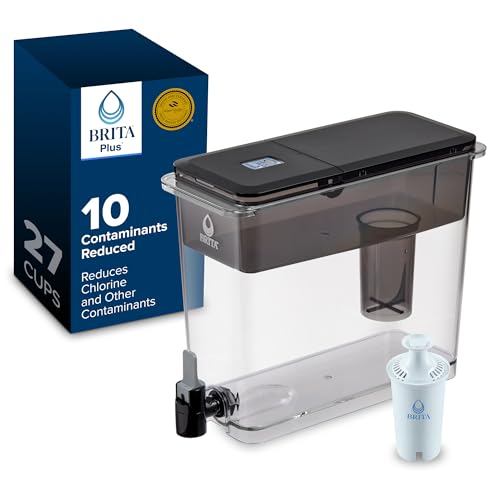
Most standard pitcher filters use granular activated carbon with pore sizes too large to capture particles below 10 µm. Certification to NSF/ANSI 401 on its own is not the thing to look for, because the microplastics reduction claim sits in NSF/ANSI 401 alone, and it is one named claim among several in that standard, so a unit listed under 401 for pharmaceuticals or hormones is not listed for particles[3]. Check that the listing names Microplastics Reduction against your exact model and cartridge.
Is reverse osmosis the only effective option?
RO is highly effective because its membrane pores are ~0.001 µm, but certified carbon block and ceramic filters with ≤0.5 µm ratings also achieve meaningful reduction. Choose based on budget, space, and maintenance willingness.
Can I eliminate microplastics from my home completely?
Current science shows that microplastics are ubiquitous in air, dust, and water. While you can substantially lower exposure through filtration, product choices, and cleaning, total elimination is not realistic.
When should I hire a professional for water treatment?
If home testing shows particle counts above 10 particles/L after point‑of‑use filtration, or if you suspect deteriorating plumbing (e.g., discolored water, leaks), a licensed water‑treatment specialist can evaluate whole‑house solutions and verify system performance.
This article provides general home‑safety information based on moderate‑strength scientific evidence; it is not medical or legal advice. For persistent water‑quality concerns or health symptoms, consult a qualified environmental health professional or licensed water‑treatment contractor.

References
- Adverse health effects of exposure to plastic, microplastics and their additives: environmental, legal and policy implications for Israel. Israel journal of health policy research, 2024
- Microplastics in Natural Waters: Occurrence, Risks and Mitigation Strategies. Toxics, 2026
- Update on Microplastics Reduction Claims. Rick Andrew, NSF Director of Global Business Development — Water Systems, Water Conditioning & Purification (2022)
- Lumbriculus variegatus (oligochaeta) exposed to polyethylene microplastics: biochemical, physiological and reproductive responses. Ecotoxicology and environmental safety, 2021
- Microplastic ingestion induces energy loss on the copepod Tigriopus koreanus. Ecotoxicology and environmental safety, 2024
These statements have not been evaluated by the Food and Drug Administration. This information is not intended to diagnose, treat, cure, or prevent any disease. Content is for informational purposes only and is not medical advice; consult a qualified healthcare provider before starting any supplement. As an Amazon Associate we earn from qualifying purchases.
