Microplastics are tiny plastic particles that can enter tap water, bottled water, and even the air inside homes. Understanding what it costs to test for them and to reduce their presence helps homeowners make realistic budget decisions.
This guide breaks down typical price ranges for do‑it‑yourself testing kits, point‑of‑use filters, whole‑house treatment systems, and professional laboratory analysis, so you can weigh upfront expenses against long‑term maintenance.
- DIY test kits cost $30–$350 and give a useful first look, but they lack the precision of lab analysis.
- Point‑of‑use filters whose NSF/ANSI 401 listing names Microplastics Reduction are the most cost‑effective DIY barrier for most homes.
- Whole‑house professional systems run $2,500–$5,500 installed plus $300–$600 annual upkeep; they make sense for high concentrations or whole‑home protection.
- Annual maintenance (cartridge, membrane, UV lamp) typically adds 10–15 % of equipment cost each year.
- Use a stepwise approach: cheap test → targeted filter → professional test → whole‑house system only if needed.
Typical Sources and Why Costs Vary
Microplastics can come from municipal water supplies, aging plumbing, plastic piping, and household activities such as washing synthetic fabrics. The concentration you encounter determines how extensive a mitigation strategy needs to be, which in turn drives cost.
A home with low‑level particles may only need a single under‑sink filter, while a property with older plastic pipes or a known contamination event could require whole‑house treatment and repeat lab testing. Regional water‑quality reports and the age of your plumbing are the first, free data points to review before spending money.
DIY Testing Options and Price Ranges
Home test kits that use visual microscopy or fluorescence dyes typically cost between $30 and $120 per kit. They give a rough particle count but cannot identify polymer type or size distribution with scientific precision.
More advanced DIY kits that include a portable spectrometer or a mail‑in filter cartridge for lab analysis run $150–$350. These provide polymer identification (e.g., polyethylene, polypropylene) and size ranges, which is useful if you need to match a filter’s certified removal claims.
When using any kit, follow the manufacturer’s sampling protocol exactly — collect cold‑water samples after a flush, avoid cross‑contamination, and store samples at the recommended temperature. Inaccurate sampling can make results look better or worse than reality.
DIY Filtration: Point‑of‑Use and Point‑of‑Entry Products
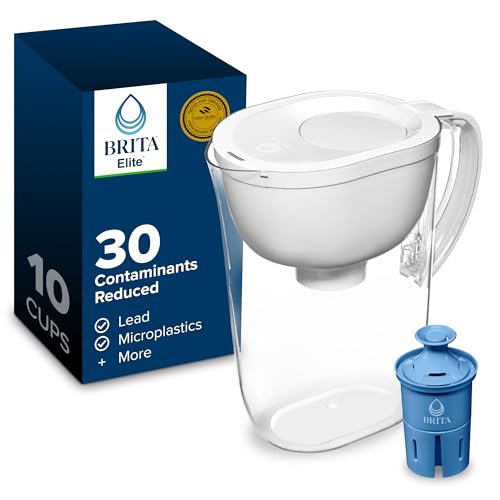
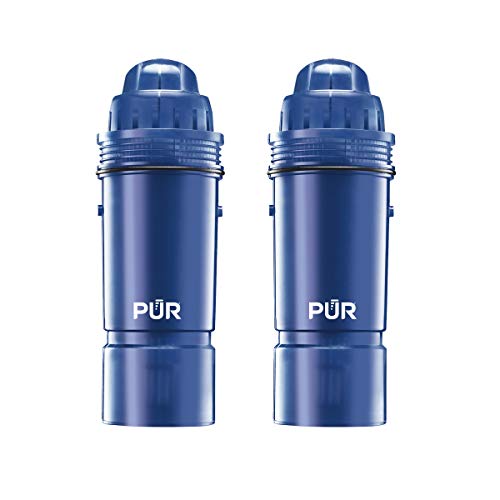
Under‑sink carbon block or hollow‑fiber membrane filters typically cost $80–$250 for the unit plus $30–$70 per replacement cartridge every 6–12 months. The certification worth paying for is an NSF/ANSI 401 listing that names Microplastics Reduction, since the microplastics reduction claim sits in NSF/ANSI 401 alone, and it is one named claim among several in that standard, so a unit listed under 401 for pharmaceuticals or hormones is not listed for particles[1]. Look for a micron rating of 0.5 µm or smaller if the goal is to capture most microplastic particles.
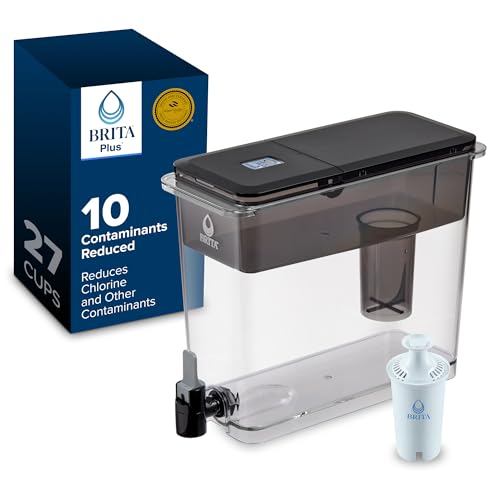
Countertop gravity filters with ceramic or multi‑stage cartridges range from $50–$180 upfront, with cartridge costs of $20–$50 every 3–6 months. They are easy to install but treat only the water you pour through them.
Whole‑house sediment pre‑filters (5–10 µm) cost $120–$300 installed, and they protect downstream finer filters from clogging. They do not remove microplastics on their own but extend the life of tighter downstream media.
Professional Testing and Whole‑House Treatment
Certified environmental labs charge $250–$600 per water sample for full microplastic quantification, polymer typing, and size distribution using FTIR or Raman spectroscopy. Turnaround is usually 10–15 business days. Some labs offer package discounts for multiple sampling points (e.g., kitchen tap, bathroom tap, outdoor spigot).

A professional whole‑house system that combines a high‑capacity sediment pre‑filter, a 0.2 µm ultrafiltration membrane, and a post‑carbon polisher typically costs $2,500–$5,500 installed. Annual membrane replacement and carbon media change add $300–$600 per year.
Professional installation ensures correct sizing, pressure balancing, and compliance with local plumbing codes. It also provides a baseline performance report that you can compare against future DIY test results.
Ongoing Maintenance, Replacement, and Hidden Costs
Filter cartridges, membrane modules, and UV lamps (if used for bio‑fouling control) have finite lifespans. Budget 10–15 % of the initial equipment cost each year for replacements and routine sanitization.
Water pressure loss is a common hidden cost: tighter membranes reduce flow, which may require a booster pump ($200–$500) or larger‑diameter plumbing. Factor this in if you notice reduced shower pressure after installation.
If you rent, check lease terms before installing permanent whole‑house equipment. Portable point‑of‑use units are usually lease‑friendly and can be moved with you.

Decision Framework: When DIY Is Enough and When to Call a Pro
Start with a low‑cost DIY test kit. If results show particle counts below 10 particles per liter and you have no known plastic piping, a single certified under‑sink filter often satisfies most households.
If DIY results exceed 50 particles per liter, you have older polybutylene or PVC piping, or you need documentation for a health‑related claim, invest in professional lab testing and consider a whole‑house system.
For homes with private wells, professional testing is strongly recommended because well water can contain a wider range of particle sizes and associated contaminants that DIY kits cannot reliably detect.
FAQ
How accurate are home microplastic test kits?
Home kits can indicate whether particles are present and give a rough count, but they cannot reliably identify polymer types or size distributions. For definitive data, send a sample to a certified lab.
What filter micron rating should I look for to catch microplastics?
Choose a filter rated at 0.5 µm or smaller. NSF/ANSI 42 certification does not by itself establish that threshold — 42 supplies the nominal particulate reduction, Class I test method, while the microplastics claim it scores is held in NSF/ANSI 401[1]. Check the listing, not the standard number.
Do I need a whole‑house system if I only drink filtered water?
If your only concern is drinking water, a point‑of‑use filter is usually sufficient. Whole‑house systems become worthwhile when you also want to reduce particles in shower water, laundry, and appliances.
How often should I replace filter cartridges?
Follow the manufacturer’s schedule — typically every 6–12 months for under‑sink cartridges and every 3–6 months for countertop gravity filters. Heavy use or high particle loads shorten lifespan.
Can I install a whole‑house microplastic filter myself?
Installation involves cutting into main supply lines, pressure testing, and sometimes adding a booster pump. Unless you have plumbing experience and local code knowledge, hire a licensed plumber.

This guide provides general cost ranges and practical steps; it does not replace professional water‑quality testing or licensed plumbing work. If test results show high particle loads, unexplained health symptoms, or you have aging plastic piping, consult a certified environmental lab and a licensed plumber for a tailored remediation plan.
References
- Update on Microplastics Reduction Claims. Rick Andrew, NSF Director of Global Business Development — Water Systems, Water Conditioning & Purification (2022)
These statements have not been evaluated by the Food and Drug Administration. This information is not intended to diagnose, treat, cure, or prevent any disease. Content is for informational purposes only and is not medical advice; consult a qualified healthcare provider before starting any supplement. As an Amazon Associate we earn from qualifying purchases.