Microplastics have been detected in tap water, bottled water, and many everyday household items, prompting homeowners to look for ways to reduce their intake. This guide walks you through the product categories that can help, what to look for on labels, and how to balance performance with budget.
Because scientific consensus on health effects is still developing, the advice here focuses on practical reduction steps rather than health claims.[1][2] Use it as a starting point, and consider professional water testing if you need a precise picture of your home’s contamination level.
- Identify your primary exposure route (drinking water, inhalation, dust) before selecting a product.
- Prioritize systems with NSF/ANSI certifications that explicitly list microplastic or particulate reduction.
- Match system scale to ownership status and budget: POU for renters, whole‑house for long‑term owners.
- Plan for ongoing filter replacements and water waste; include these in total cost of ownership.
- Combine filtration with source‑reduction habits like limiting plastic containers and capturing laundry fibers.
What Microplastics Are and Where They Show Up in the Home
Microplastics are plastic fragments smaller than five millimeters that originate from the breakdown of larger plastic items, synthetic fibers, and industrial processes. In a typical residence they can enter drinking water through municipal supplies, well water, and plumbing materials, and they also settle on surfaces and become airborne from textiles. Food‑contact plastics are routinely named as a fourth route, but FDA states there is not sufficient scientific evidence to show that microplastics and nanoplastics from plastic food packaging migrate into foods and beverages.[2]
Research on the exact concentration in residential water varies widely by region, source water quality, and treatment infrastructure. While some utilities report low levels, others find measurable particles, especially after events like pipe repairs or heavy rainfall that disturb sediment.
Understanding the pathways helps you decide which product category addresses your biggest exposure route. If your primary concern is drinking water, point‑of‑use filtration is the most direct intervention; if you also want to limit inhalation from laundry or dust, whole‑house or supplemental air‑cleaning steps may be worth evaluating.
Common Filtration Technologies and How They Target Microplastics
Activated carbon blocks, especially those with a nominal pore size of 0.5 microns or smaller, can adsorb many organic contaminants and physically trap larger microplastic particles. Their effectiveness drops for the smallest fragments, so they are best paired with a finer mechanical stage.
Reverse osmosis (RO) systems force water through a semi‑permeable membrane with pores around 0.0001 microns, theoretically removing virtually all particles, including nanoplastics. RO units typically include pre‑filters (sediment and carbon) that protect the membrane and extend its life.
Ultrafiltration (UF) and nanofiltration (NF) membranes sit between conventional carbon and RO in pore size (0.01–0.001 microns). They can reduce microplastic loads substantially while using less water waste than RO, but they may not capture the tiniest nanoplastics.
Point‑of‑Use vs. Whole‑House Systems: Choosing the Right Scale
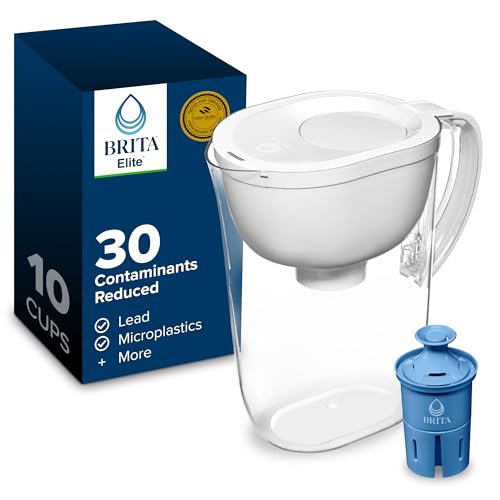
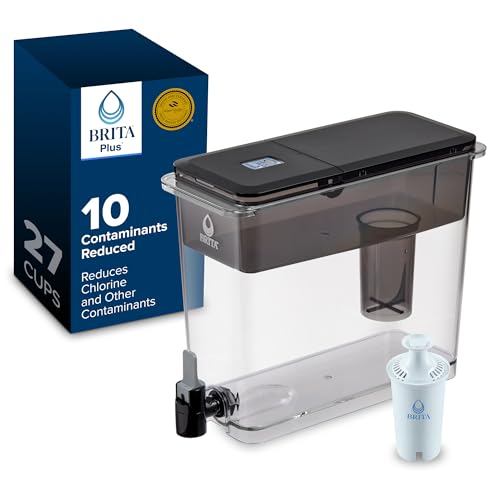
Point‑of‑use (POU) devices — under‑sink filters, countertop pitchers, faucet attachments — treat water at a single tap. They are less expensive to install, easier to maintain, and ideal for renters or homeowners who only need cleaner drinking and cooking water.
Whole‑house (point‑of‑entry) systems treat all water entering the home, protecting showers, appliances, and laundry. They require professional plumbing work, higher upfront cost, and more space, but they address exposure routes beyond the kitchen sink.

A hybrid approach is common: a whole‑house sediment and carbon pre‑filter to reduce load on downstream POU RO or UF units. This can lower filter replacement frequency and overall operating cost while still delivering high‑quality drinking water.


Certifications, Standards, and What to Verify on the Label
Look for a certification listing that states “Microplastics Reduction”. That claim is held in NSF/ANSI 401, and it is granted on the strength of the nominal particulate reduction, Class I test in NSF/ANSI 42 — an 85 % reduction of particles from 0.5 µm to under 1 µm — so a Class I particulate listing is the credential underneath it. NSF/ANSI 53 covers health‑related contaminants such as lead and does not carry a microplastics claim.[3] Not all carbon filters carry a microplastic claim, so verify the test report rather than assuming.
For RO units, NSF/ANSI 58 is the point‑of‑use reverse‑osmosis standard, though it is a TDS‑reduction standard rather than a microplastics claim. NSF/ANSI 419 is a different animal and is worth knowing about only so you can discount it: it does not apply to household drinking water equipment at all. It is a public‑water‑system standard covering full‑scale microfiltration and ultrafiltration membrane modules, bag filters and cartridge filters, written around Cryptosporidium removal credits under the EPA Long Term 2 Enhanced Surface Water Treatment Rule.[4] The certification mark should be on the product or in the manufacturer’s documentation.
If a product only cites “independent lab testing” without a recognized standard, request the full test report. Reputable manufacturers will share the methodology, challenge water composition, and percentage removal at the claimed particle size.
Maintenance, Filter Life, and Real‑World Cost Expectations
Carbon pre‑filters typically need replacement every 6–12 months, depending on water usage and turbidity. RO membranes last 2–3 years but can degrade faster if feed water has high hardness or chlorine levels that aren’t adequately pre‑treated.
UF/NF modules often have a service life of 1–2 years. Many systems include a pressure gauge or flow‑rate indicator that signals when the membrane is fouling. Budget $150–$300 per year for replacement cartridges on a typical under‑sink RO unit; whole‑house systems can run $400–$800 annually.
Factor in water waste: conventional RO units discard 3–4 gallons for every gallon produced. High‑efficiency models reduce this ratio to 1:1 or better, which can save on water bills over time. Include installation labor (often $200–$500 for under‑sink, $1,000+ for whole‑house) in your total cost estimate.
Everyday Habits That Complement Filtration
Reduce single‑use plastic containers for food storage and beverages; glass, stainless steel, or certified BPA‑free reusable bottles limit new microplastic generation in the home.
Wash synthetic clothing in a front‑loading machine with a microfiber‑catching laundry bag or a dedicated filter on the discharge hose. This captures fibers before they enter wastewater and eventually the water supply.
Regularly clean faucet aerators and showerheads, as biofilm and mineral buildup can trap and later release particles. A simple soak in vinegar followed by brushing restores flow and reduces a potential secondary source.
FAQ
Do pitcher filters remove microplastics?
Standard pitcher filters use granular activated carbon with pore sizes around 1–5 microns, which can capture larger fragments but generally do not remove the smallest microplastics or nanoplastics. Check the product’s performance data sheet for a specific particulate‑reduction claim.

Is reverse osmosis the only technology that reliably removes nanoplastics?
RO membranes have the smallest pore size of common residential technologies and are the most consistent at reducing particles down to the nanometer range. Ultrafiltration and nanofiltration can also reduce many microplastics but may not achieve the same level for the tiniest particles.
How often should I test my water after installing a filter?
A baseline test before installation and a follow‑up test 3–6 months later can confirm the system’s performance. After that, annual testing is reasonable unless you notice changes in taste, odor, or flow rate.
Can I install a whole‑house system myself?
Whole‑house installations typically require cutting into the main water line, pressure‑testing, and compliance with local plumbing codes. Unless you are a licensed plumber, professional installation is strongly recommended to avoid leaks and code violations.
This guide provides general product information and does not constitute medical or engineering advice. For a precise assessment of microplastic levels in your water or to address complex plumbing modifications, consult a certified water‑quality professional or licensed plumber.
References
- WHO calls for more research into microplastics and a crackdown on plastic pollution. World Health Organization (2019)
- Microplastics and Nanoplastics in Foods. U.S. Food and Drug Administration
- Update on Microplastics Reduction Claims. Rick Andrew, NSF Director of Global Business Development — Water Systems, Water Conditioning & Purification (2022)
- NSF/ANSI 419 Public Drinking Water Equipment Performance–Filtration. Rick Andrew, Water Conditioning & Purification (2017)
These statements have not been evaluated by the Food and Drug Administration. This information is not intended to diagnose, treat, cure, or prevent any disease. Content is for informational purposes only and is not medical advice; consult a qualified healthcare provider before starting any supplement. As an Amazon Associate we earn from qualifying purchases.