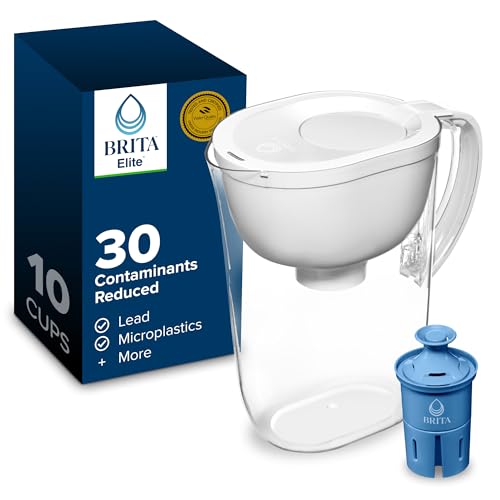
Home age correlates with some differences in likely microplastic exposure sources, though household habits matter across both.
- Newer homes with more synthetic materials may have different shedding-related exposure sources.
- Older homes warrant water quality testing that considers the property’s specific plumbing history.
- Household habits are the primary lever for reducing exposure regardless of home age.
- Home age informs specific considerations but doesn’t change the fundamental prevention approach.
Newer Homes and Synthetic Materials
Newer construction often features more synthetic flooring, furnishing, and finish materials, which can be a source of microplastic shedding through normal wear over time.
Older Homes and Plumbing Considerations
Older homes may have different plumbing material histories worth considering alongside microplastic-specific water quality testing for a complete picture.

What Matters Regardless of Home Age
Regardless of home age, household habits (dusting, ventilation, water filtration, plastic use reduction) are the primary levers for reducing exposure.


Renovation History Often Matters More Than Build Year
Build year is a weaker predictor than it looks, because most homes are not original throughout. A house framed decades ago may carry recently installed supply lines, flooring, and cabinetry, which makes its effective material profile closer to a new build than its age suggests.
Reading the renovation history is therefore more informative than reading the build date. What was replaced, and roughly when, describes the materials actually present, while the year on the deed describes only what was there at the start.
Where records exist, they are usually easier to find than expected. Permits, seller disclosures, and invoices from previous work all name what was installed, and a home inspection report often describes visible pipe and fixture materials directly. A household that gathers those before reasoning about era is working from what is in the building rather than from what was typical when it was built.
Wear as a Variable in Both Directions
Age acts on materials rather than only on their selection. Older plastic components have had longer to weather and abrade, and wear is one of the mechanisms by which particles are released. That cuts toward newer components being in better condition.
It also cuts the other way, since newer construction tends to contain more synthetic material overall. The two effects do not resolve into a simple ranking, which is the main reason a household is better served by looking at its own conditions than by reasoning from the building’s age.
What to Look At Instead of the Build Date
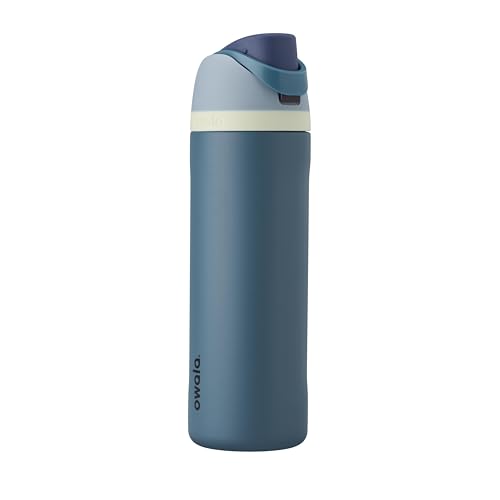
The components worth attention are the ones in contact with water and the ones that shed into air. Supply lines, fixtures, and the containers used for food and drink sit in the first group, and flooring and soft furnishings sit in the second.
All of these are observable in a specific house, which the abstract question of era is not. A household that inventories what it actually has ends up with a more useful picture than one that infers from when the home was built.
FAQ
Are new homes safer from microplastic exposure than old homes?
Not necessarily — new homes may have more synthetic material sources, while older homes have different considerations. Household habits matter more than home age alone.
Test your specific home’s water quality rather than assuming safety based on construction age alone.
These statements have not been evaluated by the Food and Drug Administration. This information is not intended to diagnose, treat, cure, or prevent any disease. Content is for informational purposes only and is not medical advice; consult a qualified healthcare provider before starting any supplement. As an Amazon Associate we earn from qualifying purchases.